A Designer's Review of the Christmas Coloring Page Gift Deer
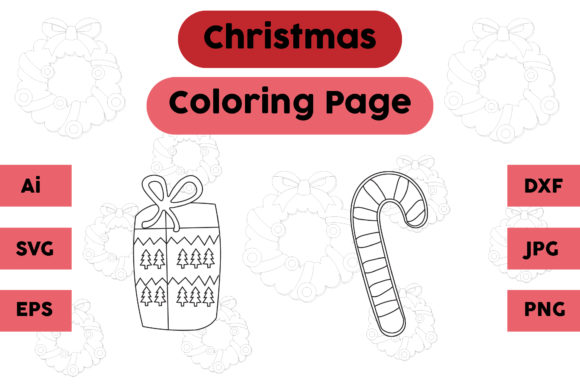
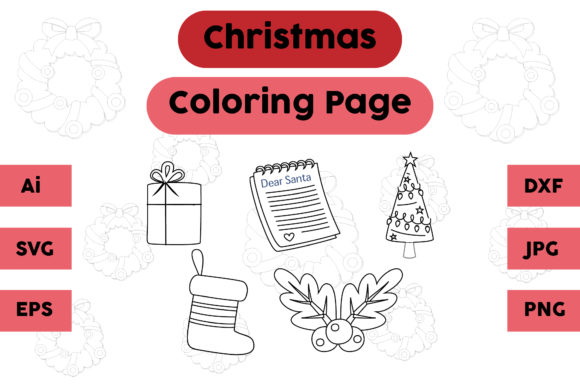
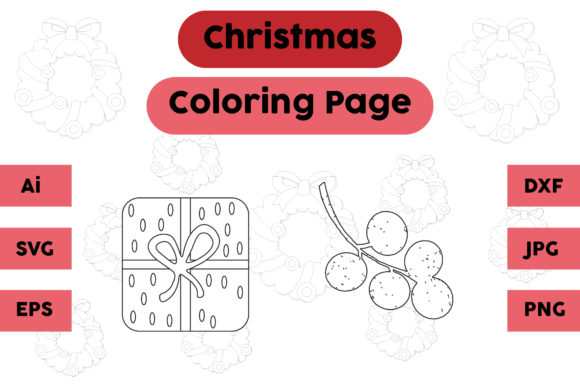
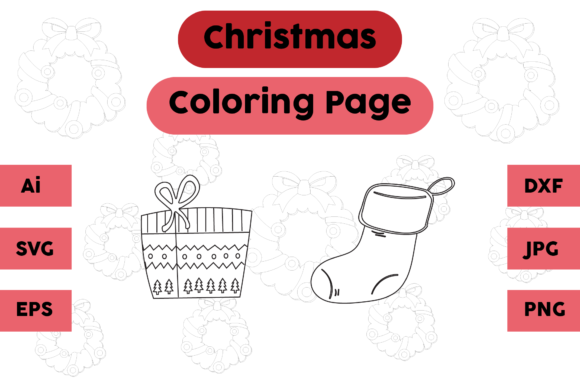
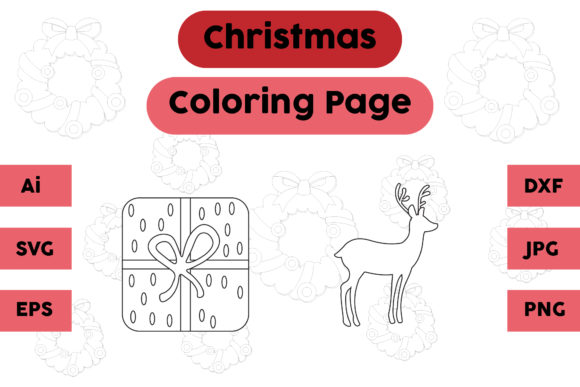
When I first opened the Christmas Coloring Page Gift Deer Set 04, I was struck by its charm. This isn't a hyper-realistic, dense illustration; it's a friendly, open-line drawing with a distinct gift theme. The deer carries a present, and the overall composition feels like a warm, handwritten holiday card translated into a clean graphic. As an embroidery designer, my immediate thought was: this has a wonderfully approachable personality. It doesn't scream "commercial"; it whispers "handmade gift." That's a precious quality for projects meant to feel personal.
The Mood It Creates: Warmth Without Overcrowding
The design's mood is nostalgic and gentle. The line work is clear and generous, leaving ample space within the forms. This is a huge advantage for embroidery, especially for satin stitches or fill stitches. Dense, cramped coloring-page styles can become muddled and stiff when stitched, but this deer set feels airy. It promises a final embroidered product that will look soft and tactile, not like a rigid vinyl sticker slapped onto fabric. That tactile softness translates directly to perceived value—customers and recipients feel they're getting something crafted, not just stamped.
Where This Deer Naturally Belongs: Project Pairings
In my mind, I immediately started pairing it with projects. A custom embroidered tote bag for holiday shopping? Perfect. The sizeable canvas and open lines would allow for beautiful, visible stitching on canvas or linen. A child's sweatshirt or a baby blanket for a Christmas gift? Excellent. The friendly, non-threatening animal motif and gift element are ideal for nursery decor or personalized children's apparel. I also visualized it as a standalone patch, perhaps ironed onto a wool cap or sewn onto a kitchen towel as a festive accent. Its theme is universal enough for general holiday merchandise but specific enough to avoid being generic.
Performance in Real Embroidery Situations
Let's talk practical application. The availability of multiple file formats, including SVG and DXF, is a significant benefit for embroidery designers working with various software and machines. It provides flexibility. The stated canvas size gives a good reference point for scaling. For most apparel—like the center of a sweatshirt or the pocket of a hoodie—this design can be scaled to a prominent size without losing integrity. On a tote bag, it could be the central feature. For smaller items like caps or baby bibs, you'd scale it down, but the open line work should maintain clarity.
However, this is where professional caution comes in. The "coloring page" style implies outlines. Some lines, like the ribbon on the gift or the deer's delicate antlers, may become very fine when scaled down for a small hoop. On textured fabrics like knit sweaters or on stretchy fabrics, these fine lines could get lost or distorted if the stabilizer isn't perfect. My strong advice: always test the embroidery file on a scrap of your target fabric first. Check the stitch density for those fine areas; you might need to adjust if your machine translates thin lines into overly dense running stitches that pucker.
Careful Application Areas and Fabric Considerations
This design would need careful planning on dark fabrics. The open, illustrative style relies on the contrast between the stitched thread and the fabric background. On a black sweatshirt, for example, you'd need to ensure your thread color choices are bright and contrasting enough to pop. A white or cream satin stitch for the deer's body on a black background could look stunning, but the finer interior lines might require a slightly thicker thread or a careful choice of stitch type to remain visible.
Similarly, on curved surfaces like caps, the longer, sweeping lines of the deer's back and the gift box need to be checked for distortion. Always use proper, firm stabilizer for such applications. For products destined for frequent washing, like kitchen towels or children's clothes, consider simplifying the stitch count in the smallest details to enhance durability. The beauty of this design is that its charm isn't locked in microscopic detail; it's in the overall shape, so you have some room to adapt for durability without ruining the appeal.
Impact on Customer Trust and Professional Presentation
From a small business owner's perspective, using a design like this affects more than just the product. It affects customer trust. A clean, well-executed embroidery of this friendly deer on a tote bag or pillow cover looks professional and intentional. It doesn't look like a random clip art thrown on. That consistency builds your brand as a maker who selects thoughtful designs. For Etsy sellers or craft fair vendors, this kind of design has high "giftability." It clearly communicates "holiday" and "present," making it an easy purchase decision for someone buying a gift. It also works beautifully in printable mockups for your digital product listings, showing potential buyers exactly how it could be applied.
Practical Designer Notes Before You Hoop It
- Test, test, test. Run the embroidery file on scrap fabric that mimics your final product's texture and color.
- Analyze the design in black and white mockups to judge its form independently of color. Does the silhouette hold up?
- Check thread color contrast plans for both light and dark fabric backgrounds. The deer's form needs to read clearly.
- Confirm your hoop size can accommodate the scaled size you want, ensuring detailed corners aren't compromised.
- If you're selling the finished product or using it in commercial embroidery projects, always confirm the licensing terms for the digital file. The provided formats suggest flexibility, but clarify the terms for commercial use.
- Remember, this is a graphics product from the Coloring Pages Amp category. Its strength is its illustrative, open-line nature. Embrace that in your project choices.
Final Thoughts: A Versatile, Heartfelt Asset
The Christmas Coloring Page Gift Deer Set 04 is a versatile, heartfelt asset for makers. It avoids the clutter that can plague holiday designs, offering a clean canvas for your thread. It naturally fits projects that require a warm, handmade presentation—from personalized gifts to small shop merchandise. Its potential pitfalls are typical of any illustrative design: scaling fine lines, managing contrast on dark fabrics, and ensuring durability on washable goods. But with the standard precautions every professional embroidery designer should take, this deer can trot beautifully onto a wide range of products, bringing a quiet, gift-wrapped holiday charm to your work.