A Giraffe Design: From Coloring Page to Embroidered Project
When you’re browsing for a new embroidery design for your business or a personal project, you’re not just looking for a graphic. You’re looking for a story, a mood, and a piece that translates beautifully from screen to stitch. Today, I’m looking at Giraffe Coloring Page for Kids from that exact perspective: as a designer who needs to know how this graphic will perform in real-world embroidery.
The First Impression: Charm Over Complexity
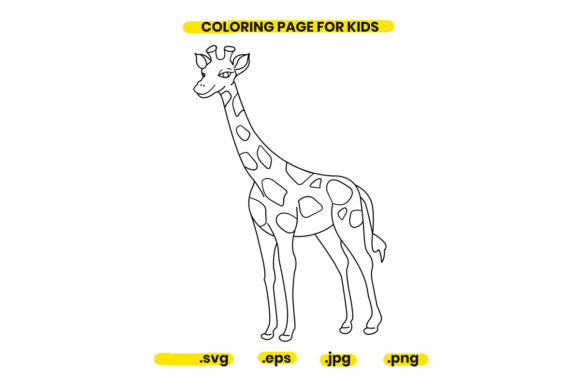
The moment I opened the Giraffe Coloring Page for Kids file, I smiled. It has that classic, friendly coloring-book charm. The giraffe’s shape is gentle and approachable, with a clear, simple outline. The detail level is intentionally modest—spots, a sweet face, a basic form. This isn't a hyper-detailed wildlife portrait; it’s a character. That visual personality creates a mood of playful innocence, which immediately tells me this design belongs on products meant for warmth, joy, and a touch of whimsy.
For embroidery, this simplicity is a massive advantage. A clean, open shape like this translates wonderfully into stitches. It avoids the trap of being overly dense, which can lead to stiff, heavy embroidery on lightweight fabrics. Instead, it promises a crisp, clear silhouette that will read well from a distance and feel soft on the fabric.
Where This Giraffe Finds Its Home
Let’s talk real projects. Imagine you’re preparing a custom baby gift—a soft cotton blanket or a little organic sweatshirt. This giraffe design is perfect. Its friendly theme connects instantly, and the embroidery would be a highlight without overwhelming the delicate garment. I’d pair it with a soft, butter-yellow thread for the body and a contrasting brown for the spots.
Beyond baby items, think of everyday boutique products. An embroidered tote bag with this giraffe would be charming and marketable. It’s recognizable and cheerful, adding value without being overly niche. For a small shop selling kitchen textiles, a single giraffe embroidered on the corner of a tea towel or apron creates a personalized, handmade presentation that customers love. As a patch, it could be applied to a denim jacket or backpack, offering that craft-fair, unique vibe.
For commercial embroidery clients, like a children’s boutique or a family-oriented brand, this design could serve as a consistent branding element on staff uniforms or promotional merchandise. Its clarity ensures good recognition. In digital product previews or printable mockups for your own shop, this clean graphic presents well, helping potential buyers visualize the finished embroidered product easily.
A Scenario: The Custom Birthday Sweatshirt
Picture this: A client orders a personalized sweatshirt for their four-year-old’s birthday. They want something special but not overly loud. You load Giraffe Coloring Page for Kids, scale it to a comfortable size for the chest area, and choose a palette of three cheerful threads. The stitch-out is quick because the design isn’t overly complex, and the result is a clean, happy giraffe that the child can immediately connect with. The parent sees a high-quality, custom piece—not a generic print. That’s the practical value: translating a simple graphic into tangible customer trust and satisfaction.
Considerations for a Successful Stitch-Out
While the design’s simplicity is a strength, it requires thoughtful application. On very small hoop sizes, the larger spots and the neck might lose definition if minimized too much. I’d recommend a medium-to-large placement for optimal stitching clarity.
Textured fabrics like thick sweaters or toweling could absorb the outline, making it less sharp. Using a proper stabilizer is crucial here. On dark fabric, you’ll need to think about thread color contrast—a light cream or white for the giraffe’s body instead of a yellow might be necessary to pop against a navy or black background.
The design seems ideal for fill stitch areas (like the body spots) and running stitch or satin stitch outlines. However, on stretchy fabric like t-shirts, you must manage the stitch density to prevent puckering. Always test the design on scrap fabric first to check tension and density.
For products needing frequent washing, like baby clothes or kitchen towels, a robust stitch structure is key. The open nature of this design means less dense stitching, which can actually be more durable and less prone to snagging than a super-saturated fill. It’s a good candidate for long-lasting items.
Professional Notes for Designers and Makers
Before you run this embroidery file for a client or your shop, here’s my practical checklist:
- Check thread color contrast. Pull your physical threads and see them against your target fabric. Does that cheerful yellow look vibrant on beige linen?
- Review the implied stitch density. The coloring page style suggests areas that could be filled or left more open. Decide if you want a solid fill or a lighter, textured fill for a softer look.
- Confirm your hoop size and placement. Measure the garment or product area. Does the giraffe’s height fit well without cramping the neck or legs?
- Inspect the small details. Are there any tiny corners in the ears or hooves that might need a slight adjustment in stitch type to prevent thread breaks?
- Test it in black and white mockups. This helps visualize it purely as shape, ensuring the silhouette is strong even without color.
- Compare light and dark fabric backgrounds. Your thread palette might need two variations for different product lines.
- Use proper stabilizer. Never skip this step; it defines the quality of your finished product.
- Confirm licensing. The product comes from the category Coloring Pages Amp and type Graphics. Always verify the specific license terms to ensure your use—whether for personal gifts or commercial sale of embroidered items—is permitted.
The Final Verdict: A Versatile, Friendly Asset
Giraffe Coloring Page for Kids succeeds as an embroidery design because it understands its role. It’s not trying to be everything; it’s trying to be a clear, charming, and embroiderable character. It elevates a simple graphic into a source of handmade warmth. For craft businesses, Etsy sellers, and creative entrepreneurs, it’s a design that can be adapted across a range of products—from personalized gifts to consistent shop merchandise—with minimal fuss and maximum visual appeal.
Its giftability is high, its professionalism lies in its clean execution, and its ability to engage buyers is rooted in that universal, friendly appeal. My advice? See it not just as a coloring page, but as a blueprint for stitch-based storytelling. Load it into your software, imagine it on that tote bag or baby blanket, and plan your thread colors. With a little practical testing, this giraffe is ready to leave the page and become a beloved part of someone’s world.