Evaluating the Colored Fox Design for Embroidery Projects
Whenever I look at a new embroidery design file, I immediately start picturing it stitched out on fabric. My mind goes to the texture of threads, the way colors will blend, and the kind of product it would elevate. The Colored Fox for Coloring Book graphic is a charming example. Right away, it feels playful and approachable, perfect for projects that need a friendly, artistic touch rather than a formal, rigid illustration.
A Design Built for Whimsical, Handmade Appeal
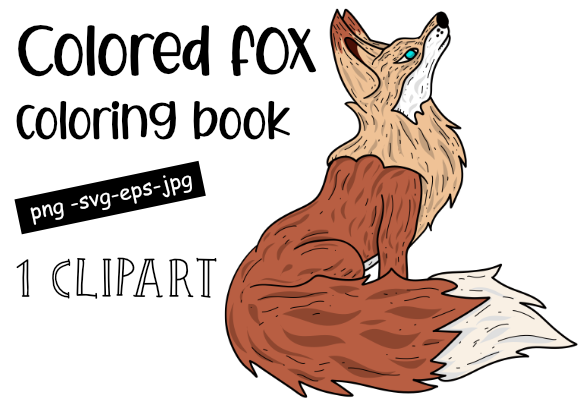
The fox itself has a soft, illustrated quality. It isn't overly detailed with harsh lines, which is actually a benefit for embroidery. When translating a graphic into stitches, overly complex line work can become muddy and dense. This fox’s simpler shapes and clean color separations suggest it will stitch out clearly. The mood is definitely whimsical—it reminds me of a storybook character, which opens up fantastic applications for baby embroidery, nursery decor, and gifts meant to feel personal and cozy.
I can envision this design on a child’s hoodie, a linen pillow cover for a reading nook, or as the centerpiece on a canvas tote bag for a creative friend. Its personality leans towards warmth and creativity. For Etsy sellers and craft business owners focusing on handmade, personalized products, this kind of visual character helps build a consistent, inviting brand aesthetic. It’s not a generic logo; it’s a piece of art that customers connect with emotionally.
Where This Fox Finds Its Perfect Home
In real-life embroidery project scenarios, this design feels versatile. The high-resolution PNG files with transparent and white backgrounds provided are crucial. They allow for easy digital previews and printable mockups, which is a lifesaver when planning listings for a small shop. For physical stitching, I’d lean towards medium-sized applications.
- Custom apparel like sweaters and t-shirts where the design can be a statement piece on the chest or back.
- Tote bag design is a natural fit—the scale works well on bag fronts, creating a product that feels both useful and artistic.
- Holiday embroidery or wedding gifts, perhaps embroidered onto a decorative tea towel or blanket for a unique present.
- As an embroidered patch, it could be applied to caps, aprons, or backpacks, offering flexibility.
- For baby clothes and nursery items, it provides a sweet, safe focal point without being too overwhelming.
The key is matching the design’s friendly scale to the item. It’s not a tiny micro-design, nor is it a huge, sprawling scene. It occupies a comfortable middle ground that suits many popular handmade product categories.
Practical Considerations Before Hooping Your Fabric
While the Colored Fox for Coloring Book graphic is appealing, a professional designer always thinks through the potential pitfalls before loading the embroidery file. This isn’t about the quality of the graphic itself, but about how any design interacts with the physical world of stitching.
First, the provided files are graphics, not actual machine embroidery design files (like .pes or .dst). This means you or your digitizer will need to convert it into stitches. During that process, pay close attention to stitch density. Areas of solid color in the fox, like its body, should be digitized with a balanced fill stitch to avoid being too stiff or too loose on the fabric. The outlined details need careful translation—likely into a clean running or satin stitch—to maintain the illustrated feel without puckering.
For application, I’d use this design carefully on very small hoop sizes. If reduced too much, the pleasant details might compress into a blur. Similarly, highly textured or stretchy fabrics could challenge the clarity of the shape. A good stabilizer is non-negotiable here. On dark fabrics, the color choices in the digitized version become paramount; you’ll need strong contrast to keep the fox vibrant.
Scenarios That Demand Extra Testing
- Curved surfaces like caps: The design’s layout should be assessed for distortion when placed on a curved crown.
- Items needing frequent washing, like kitchen towels or baby garments: Ensure the stitch structure is robust.
- Using it on thin fabric without proper stabilization could lead to pulling and warping.
- If used for commercial embroidery on layered garments like jackets, test on a similar material first.
The goal is to preserve that initial whimsical appeal in the final, stitched product. A puckered, dense fox loses its charm.
Turning a Graphic into a Trustworthy Finished Product
How a design stitches out directly impacts customer trust and product value. A crisp, clean embroidered fox on a sweatshirt looks professional and worth the price. A messy, stiff one looks amateurish. For creative entrepreneurs, this difference defines your reputation.
Here are my practical notes for anyone using this graphic for an embroidery project:
- Always test the design on scrap fabric first. Use the same material and stabilizer combo as your final project.
- Check thread color contrast against your background fabric. The colored fox might need adjusted hues on dark backgrounds.
- Review the digitized version’s small details, like the fox’s ears and tail, to ensure they’ll be distinct.
- Confirm your planned hoop size can accommodate the design without forcing excessive scaling.
- Compare how it looks in both light and dark fabric digital product previews for your shop listings.
- Confirm licensing before selling finished items. The product category is Graphic Templates, so ensure your use—personal or commercial—is covered.
When done right, this design enhances giftability and buyer engagement. It’s recognizable and delightful, making the finished item feel special. For a boutique selling small shop merchandise, such a well-executed embroidered piece can become a signature item.
The Final Stitch: A Design with Heart and Potential
Evaluating the Colored Fox for Coloring Book from an embroidery standpoint, I see a graphic with significant potential for warm, creative projects. It’s not just a clip art image; it’s a starting point for a handmade story. Its success hinges on thoughtful digitization and conscientious application onto well-chosen products. Avoid rushing it onto difficult fabrics or shrinking it too small. Instead, let its friendly scale and illustrated charm shine on items meant to convey personality and care.
For the maker, it’s a versatile design asset. For the customer, it’s the heart of a unique, personalized gift. That’s the kind of transition I always look for in a design, and this fox, with a bit of practical planning, is ready to make that leap beautifully.